

The moment you slip beneath the turquoise surface at Manta Point, Nusa Penida, everything changes. Below you, a gentle giant—a Manta Ray with a wingspan potentially reaching seven meters—glides effortlessly through the clear water. It’s a wildlife encounter unlike any other, and the best part? It’s a highly reliable experience.
If you’re planning a trip to Bali’s stunning neighboring island, this guide will provide you with everything you need to know, from the best time to visit to ethical practices and essential safety tips, ensuring your dive with the Manta Rays is unforgettable.
When to Go: Best Time to See the Manta Rays
- When to Go: Best Time to See the Manta Rays
- The Ideal Season: April to October (Dry Season)
- The Shoulder Months: The Sweet Spot
- The Best Time of Day
- Understanding Manta Point: The Cleaning Station
- Essential Safety and Ethical Guidelines
- Choosing Your Manta Ray Snorkeling Tour
- 1. The Full-Service Day Trip (The Bali to Penida Express)
- 2. The Half-Day Water Charter (For Penida Stays)
- Practical Tips for Your Trip
- Ready for Your Close Encounter?
The single most important piece of information for any traveler is this: Manta Rays are present at Manta Point year-round. Their presence is so consistent because this location is a dedicated “cleaning station,” where smaller fish remove parasites from the Mantas’ skin, making it a crucial part of their daily routine.
However, while the Mantas are always there, the experience itself is vastly improved by the weather:
The Ideal Season: April to October (Dry Season)
This period offers the calmest sea conditions and the best water visibility. This is key for two reasons:
- Boat Comfort: The 30-45 minute journey from mainland Bali (Sanur) or even from your accommodation on Nusa Penida will be significantly smoother and more comfortable.
- Underwater Clarity: Calm water means perfect visibility, allowing you to clearly see the Mantas from afar and capture stunning photos and videos.
The Shoulder Months: The Sweet Spot
While the peak tourist months of July and August offer perfect weather, they also bring crowds. If you prefer a more tranquil experience, aim for May, June, or September. The weather is still excellent, the sea is calm, and the area around Manta Point will be less congested with other tour boats.
The Best Time of Day
Always aim for a morning tour, ideally launching between 7:30 AM and 9:00 AM. The ocean is typically at its most placid early in the day, and the sun’s angle provides optimal lighting for viewing the magnificent creatures beneath the surface.
Understanding Manta Point: The Cleaning Station
Manta Point isn’t a deep-sea diving location; it’s a specific shallow-reef area. It functions as a Manta Ray spa. As Manta Rays glide into the area, they hover above coral structures where cleaner wrasse (small fish) wait to consume parasites and dead skin. Because this service is essential for the Manta Ray’s health, they return day after day.
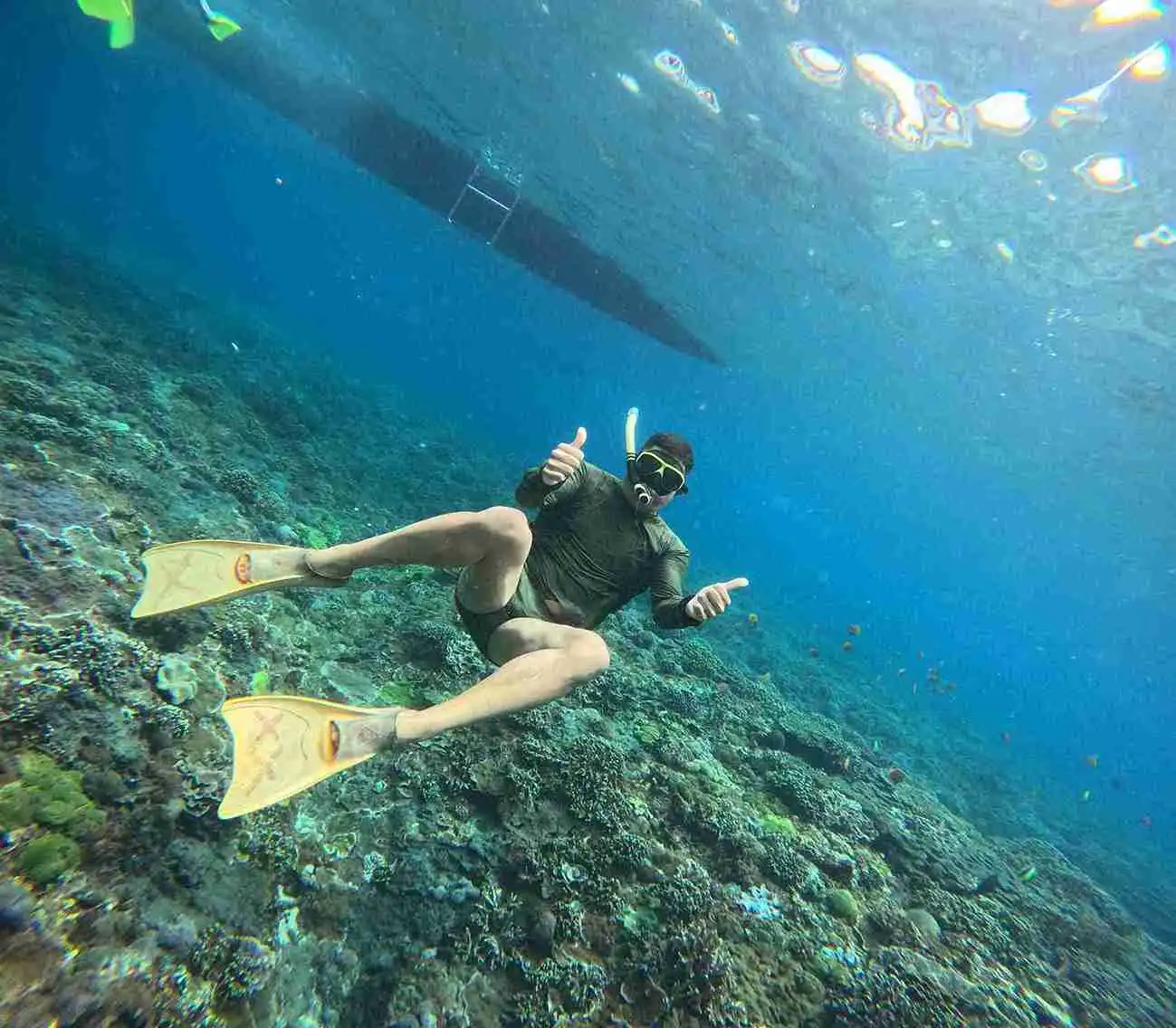
The Mantas typically swim at a depth of 5 to 10 meters, which makes them perfectly accessible for snorkeling. You’ll be floating gently on the surface, looking directly down at these majestic creatures as they circle in the warm water.
Essential Safety and Ethical Guidelines
Encountering a giant Manta Ray in its natural habitat is a privilege, and it comes with a responsibility to protect these endangered animals. Following ethical guidelines is not only important for conservation but is often enforced by local guides and authorities.
The Golden Rules of Manta Ray Interaction:
- Maintain Distance: You must keep a minimum distance of 3 meters from the Manta Rays. Do not swim directly above them, block their path, or attempt to chase them.
- NEVER Touch Them: Manta Rays are protected, and touching them can remove their protective mucus layer, making them vulnerable to infection. Any tour operator who allows or encourages touching should be avoided.
- Quiet and Calm: Enter the water gently and swim calmly. Loud noises or splashing can frighten the rays away.
- Reef Protection: Be mindful of your fins. The reef below is delicate and vital to the ecosystem. Do not kick or stand on the coral.
Choosing Your Manta Ray Snorkeling Tour
The Manta Point experience is often included in a package tour, which is highly recommended for ease and safety. You essentially have two options:
1. The Full-Service Day Trip (The Bali to Penida Express)
This is the most popular choice for travelers staying on the mainland. The package includes:
- Round-trip fast boat transfers from Sanur Harbor.
- Ground transport on Nusa Penida (usually a private car with a driver).
- The Manta Point snorkeling session.
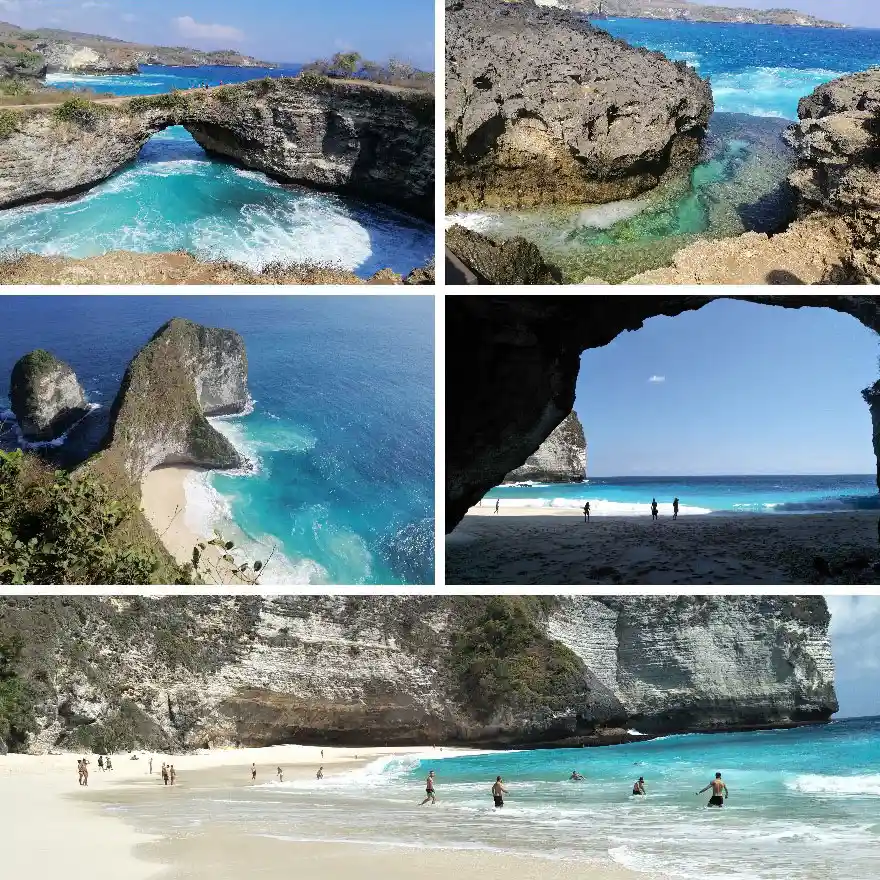
- A land tour to iconic West Coast sites like Kelingking Beach and Broken Beach.
This option is perfect if you have limited time and want to see the main highlights efficiently. Activities Penida Tour specializes in these seamless experiences, ensuring all logistics are handled from the moment you leave your hotel.
2. The Half-Day Water Charter (For Penida Stays)
If you have already booked accommodation on Nusa Penida, you can opt for a specific half-day tour focused only on water activities. This typically includes three to four snorkeling spots:
- Manta Point.
- Crystal Bay: Known for clear water and potential turtle sightings.
- Gamat Bay or SD Point: Excellent coral reefs and diverse tropical fish.
When choosing an operator, prioritize those who use smaller, well-maintained boats and provide high-quality snorkeling equipment. Safety briefings regarding the currents at Manta Point are non-negotiable.
Practical Tips for Your Trip
To ensure your day goes smoothly, keep these practical points in mind:
The Weather Factor: Currents and Temperature
Manta Point is located in open water, where currents can be strong. Always follow your guide’s instructions and stay close to the boat. Furthermore, the water here is often slightly cooler than in the shallower bays. We recommend wearing a rash guard or light wet suit not only for sun protection but also for warmth.
Transportation and Comfort
The roads on Nusa Penida can be bumpy and challenging. If you are doing a combined land and water tour, choose a tour provider with reliable vehicles and experienced local drivers. Trying to navigate the rugged terrain yourself on a scooter after a tiring snorkeling session is not recommended.
What to Bring
- Waterproof Bag: Essential for keeping your phone, camera, and cash dry on the boat.
- Reef-Safe Sunscreen: Protect your skin and the delicate coral ecosystem.
- Cash: Many small vendors on the island and local warungs operate only on cash.
- GoPro or Underwater Camera: This experience is highly visual; you’ll want to capture the moment the Manta Rays glide just feet below you.
Ready for Your Close Encounter?
Snorkeling at Manta Point is consistently rated as the top activity in Nusa Penida. It offers a rare chance to witness the ocean’s gentle giants in their element. By planning your trip during the dry season, joining a responsible tour operator, and respecting the essential distance guidelines, you are set for an ethical, safe, and truly magical day on the water.
Don’t miss the chance to experience this marine spectacle. View our highly-rated Manta Ray Snorkeling packages and secure your spot today!